A Servant of Servants
Genesis 9:25 — “A servant of servants shall he be”
Scripture
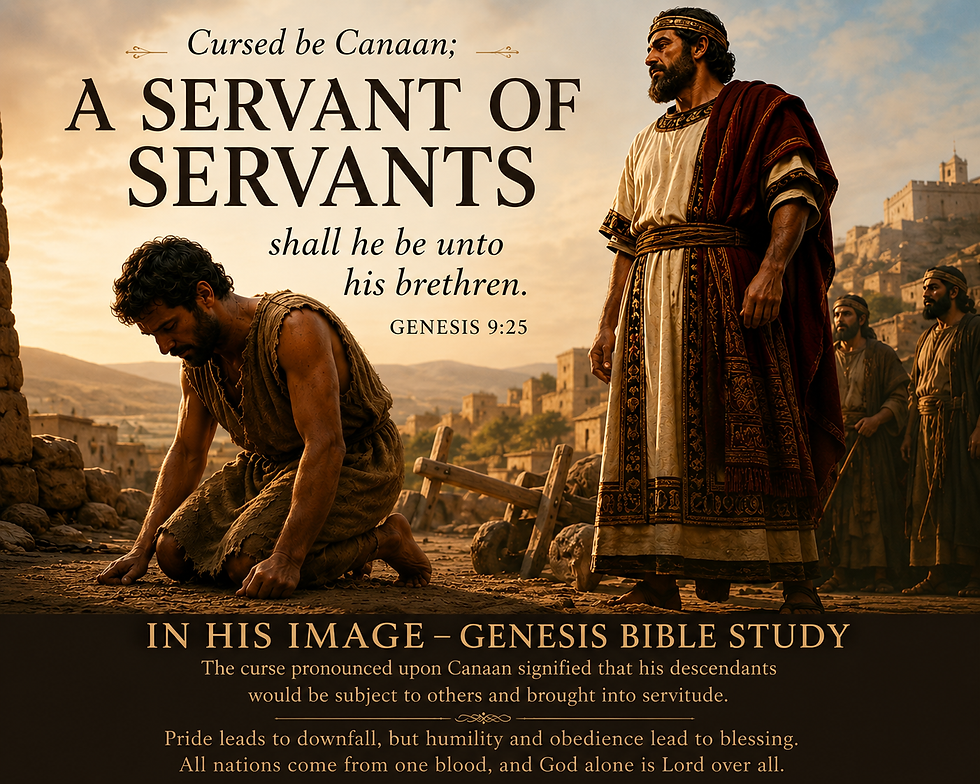
“Cursed be Canaan; a servant of servants shall he be unto his brethren.” — Genesis 9:25
This passage has been one of the most debated and misused verses in biblical history. To understand it properly, it must be read carefully within:
the immediate context,
ancient Near Eastern language,
the genealogy of Noah’s sons,
and the broader biblical story.
Important First Observation
The curse is NOT spoken directly upon Ham.
The text says:
“Cursed be Canaan”
Not:
“Cursed be Ham”
“Cursed be Africa”
“Cursed be black people”
This distinction is extremely important.
In Ethiopian, Eastern, and many modern biblical interpretations, this becomes central because later racial theories changed the wording and expanded the curse far beyond what the text actually says.
What Does “Servant of Servants” Mean?
The Hebrew phrase expresses:
the lowest condition of servitude,
humiliation,
political subjugation,
defeat under stronger nations.
It is an ancient Near Eastern expression emphasizing: extreme lowering or submission.
Similar Hebrew constructions intensify meaning:
“King of kings”
“Holy of holies”
“Song of songs”
So: “servant of servants” means:
lowest servant,
deeply subjected,
conquered position among nations.
Ancient Context
The curse appears after:
Noah’s drunkenness,
Ham seeing his father uncovered,
and Canaan becoming the object of Noah’s prophetic declaration.
Many interpretations exist concerning:
why Canaan is named instead of Ham,
whether Canaan participated,
or whether Noah prophetically foresaw future nations descending from Canaan.
In biblical history, the descendants of Canaan later became:
the Canaanites,
Jebusites,
Amorites,
Hittites,
Girgashites,
and related nations living in the land later occupied by Israel.
Biblical Fulfillment
Many scholars connect the “servant” language to later historical events:
conquest of Canaanite cities,
political domination by Israelite kingdoms,
forced labor under Solomon,
military defeat by surrounding empires.
Examples:
Joshua’s conquest narratives
Gibeonites becoming servants
Canaanite labor systems under Israelite rule
Thus the curse is often interpreted as: a national-political prophecy, not a racial prophecy.
Ethiopian and Eastern Interpretation
Many Ethiopian and Geʽez traditions reject the later Western racial interpretation for
several reasons:
1. The text never mentions skin color.
No reference is made to:
blackness,
race,
African identity,
or pigmentation
2. Ham had many descendants.
Ham’s line includes:
Cush
Mizraim
Phut
Canaan
These became civilizations such as:
Cush/Ethiopia
Egypt
North African peoples
Canaanite peoples
Some became powerful kingdoms, not servants.
3. Ethiopia holds honored status in Scripture.
Ethiopian tradition often highlights:
Psalm 68:31
the Ethiopian Eunuch
the Queen of Sheba
Ebed-melech
prophetic references to Cush
Therefore many Ethiopian scholars reject the idea that Ham’s descendants were universally cursed.
Spiritual and Moral Reading
Some ancient Christian interpretations understood the curse symbolically.
Sin leads to servitude.
Not racial servitude —but bondage to:
corruption,
rebellion,
idolatry,
pride,
violence.
In this reading: the deeper slavery is spiritual slavery.
Jesus later says:
“Whosoever committeth sin is the servant of sin.” — John 8:34
Thus some theological traditions view Canaan’s curse as representing:
moral degeneration,
fallen kingdoms,
rebellion against divine order.
Historical Misuse
During:
colonialism,
the transatlantic slave trade,
and racial pseudoscience,
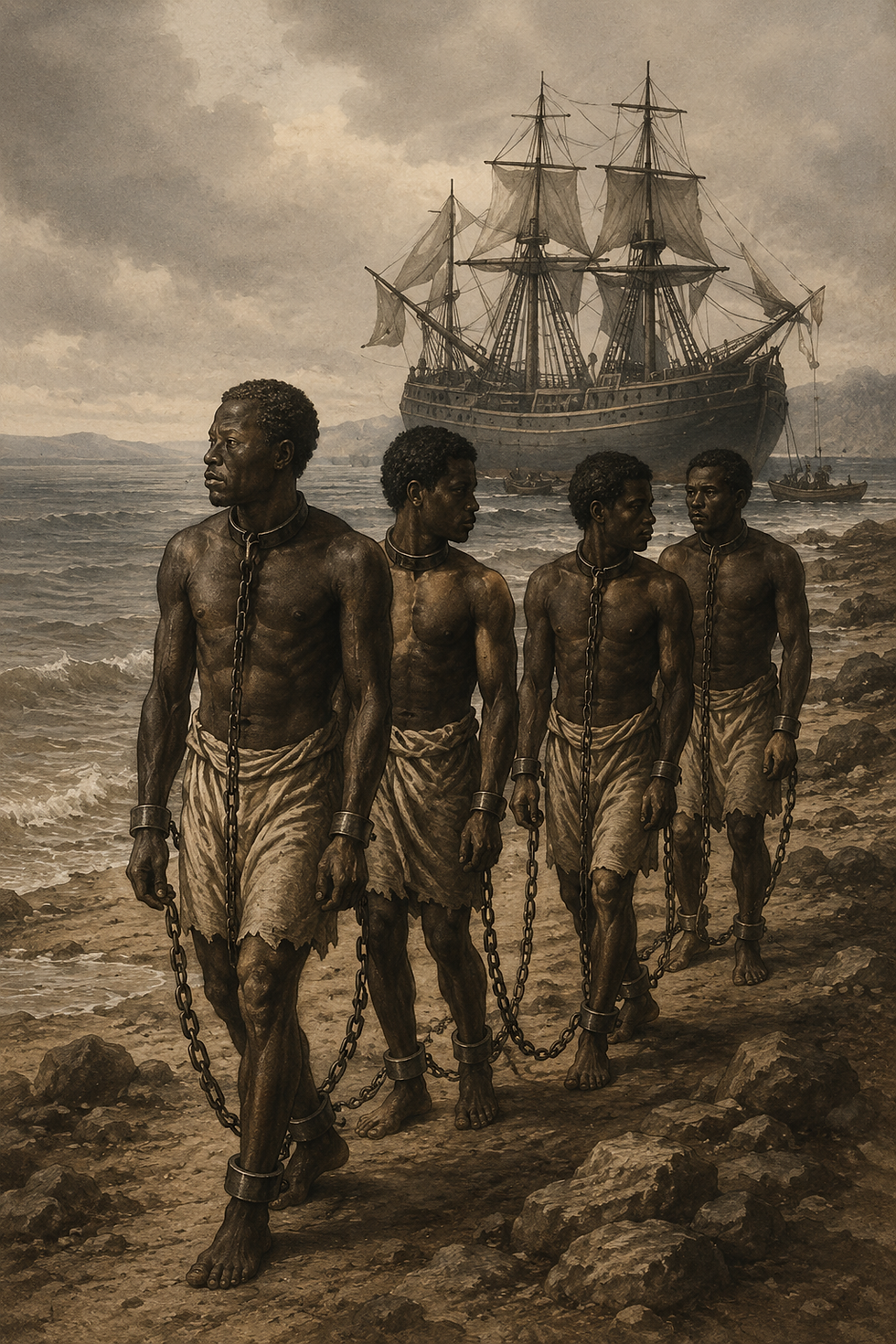
many pro-slavery writers wrongly expanded this passage into:
“Ham was cursed”
“Black people were cursed”
“Africans were destined for slavery”
But these ideas are not stated in Genesis 9.
Modern biblical scholarship widely rejects those interpretations because:
the text curses Canaan specifically,
race categories are modern,
and skin color is absent from the narrative.
A Larger Biblical Theme
The Bible later shows redemption extending to all nations. Even nations descended from Ham appear positively:
Egyptians shelter Israel during famine,
Cushites serve in royal courts,
Ethiopians worship God,
people from every nation appear in Revelation.
Acts 17:26 says:
“He made from one blood all nations of men.”
Ethiopian Devotional Reflection
The Geʽez-style spiritual lesson often focuses on this truth:
The greatest slavery is slavery to sin.
Earthly power changes. Kingdoms rise and fall. But pride, dishonor, rebellion, and corruption enslave the soul.
True freedom comes through:
righteousness,
humility,
obedience to God,
and redemption through Christ.


Comments