“Genesis 9:25 — Judgment on Canaan
Genesis 9:25
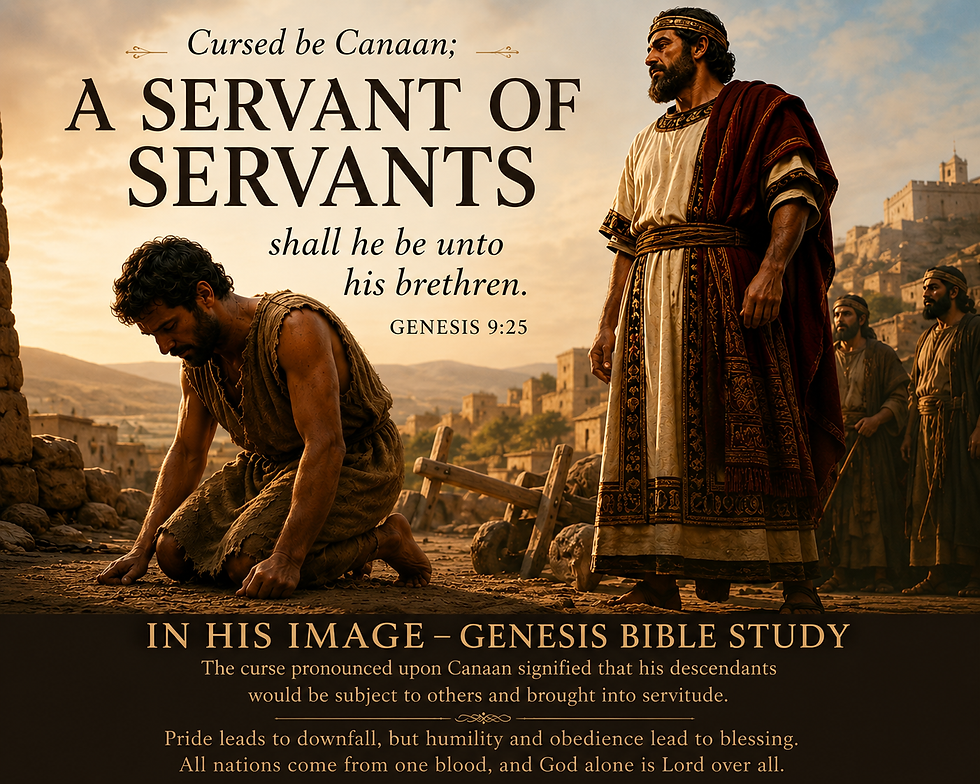
“And he said, Cursed be Canaan; a servant of servants shall he be unto his brethren.” — Genesis 9:25
Ethiopian and Geʽez Understanding of Genesis 9:25
Within traditional Ethiopian Christian interpretation — especially influenced by the Ethiopian Orthodox Tewahedo tradition and Geʽez biblical commentary — Genesis 9:25 is generally understood as:
a judgment against Canaan specifically
connected to moral corruption and rebellion
tied to future nations and kingdoms
not a prophecy about Black people, Africans, or racial slavery
This is important because later Western colonial and pro-slavery teachings distorted this passage into what became known as the “Curse of Ham” doctrine. Ethiopian and older Eastern traditions do not normally interpret the text through modern racial categories.
1. The Curse Falls on Canaan — Not Ham
The Geʽez tradition pays close attention to the wording of the text.
Noah does not say:
“Cursed be Ham”
He says:
“Cursed be Canaan.”
Canaan was one of Ham’s sons (Genesis 10:6).
In Ethiopian interpretation, this distinction matters greatly because:
divine judgment is directed toward a particular lineage and future conduct
Scripture is viewed covenantally and morally, not racially
The descendants associated with Canaan later occupied the land of Canaan:
the Canaanites
Jebusites
Amorites
Hivites
Girgashites
etc.
These nations are later judged in the Old Testament because of:
idolatry
violence
ritual corruption
child sacrifice
rebellion against God
So Ethiopian commentary often sees Genesis 9:25 as:
prophetic
historical
spiritual
—not racial.

2. “Servant of Servants”
The phrase:
“servant of servants”
in Hebrew is an expression of extreme lowliness or subjugation.
In Geʽez-oriented interpretation, this phrase can carry meanings such as:
humiliation
loss of dominion
national defeat
political subjection
It does not automatically mean:
race-based chattel slavery
perpetual slavery of all descendants forever
Ancient biblical servitude was usually connected to:
war
conquest
debt
treaties
kingdom domination
Ethiopian commentary traditions generally understand this as:
the lowering of proud nations
judgment upon corrupt kingdoms
reversal of honor
3. Ethiopian Christian Perspective on Nations
Traditional Ethiopian biblical interpretation often understands Genesis 10 (“Table of Nations”) as describing:
peoples
territories
kingdoms
language groups
—not modern racial classifications.
In Ethiopian tradition:
Cush/Ethiopia is often viewed honorably in Scripture
Ethiopia appears positively throughout the Bible:
Psalm 68:31
Zephaniah 3:10
Acts 8
Jeremiah references
the Queen of Sheba traditions
Ethiopian eunuch traditions
Because of this, many Ethiopian scholars and believers reject the idea that Genesis 9:25 condemns Africans.
4. Geʽez and Spiritual Interpretation
Some Ethiopian and Geʽez-centered teachings interpret Noah’s words spiritually as well.
The curse becomes an image of:
what happens when sin dishonors sacred order
the consequences of rebellion
generational corruption within kingdoms
The emphasis is often:
moral
covenantal
spiritual
rather than biological or racial.
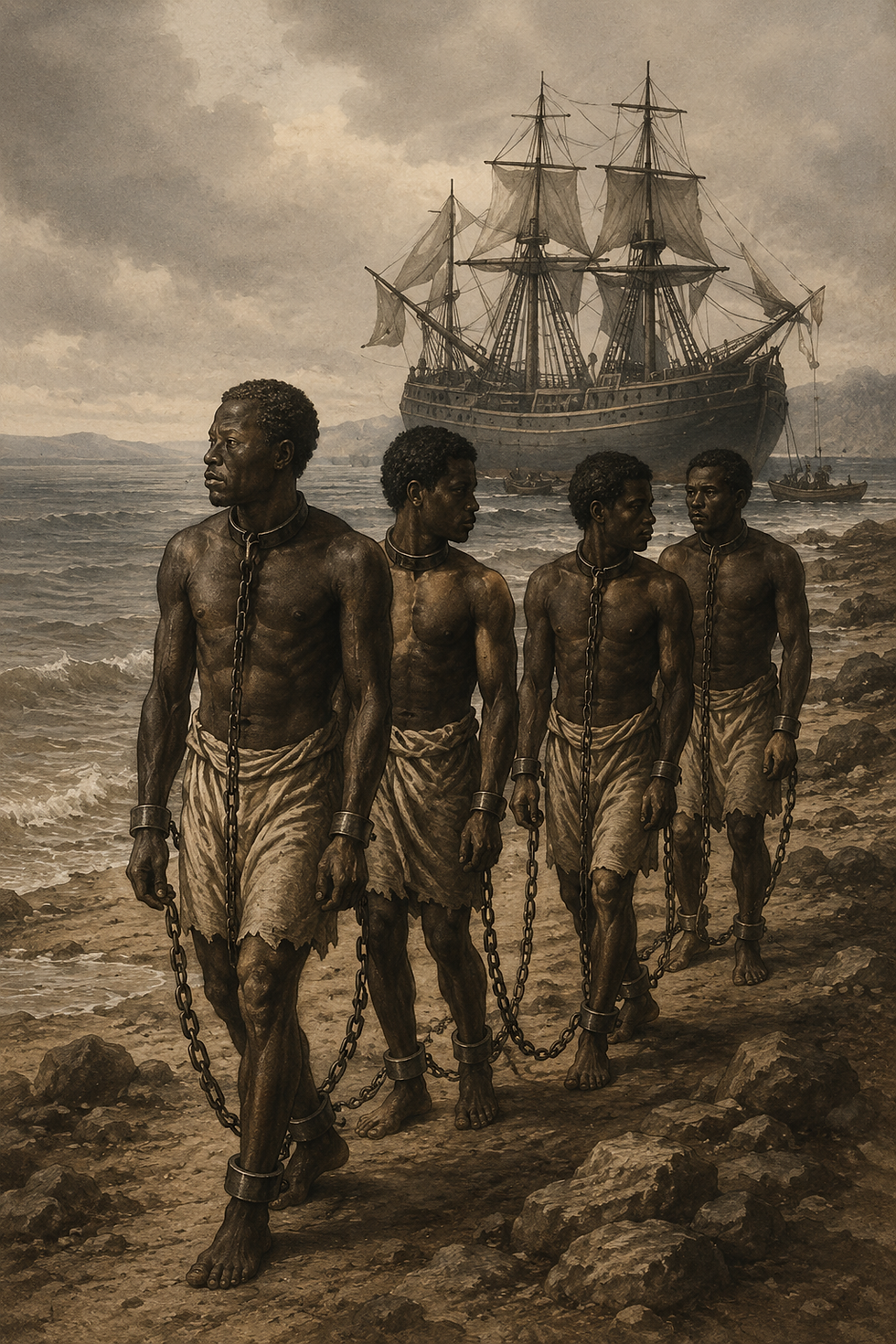
5. Western “Curse of Ham” Teaching vs Ethiopian Understanding
The later Western interpretation wrongly merged:
Ham
Canaan
Africa
Blackness
slavery
into one doctrine.
This teaching was heavily promoted during:
the transatlantic slave trade
colonialism
pro-slavery theology in parts of Europe and America
But the biblical text itself never says:
Black skin is cursed
Africans are cursed
all descendants of Ham are slaves
In fact:
Cush (often associated with Ethiopia/Nubia regions) is not the one cursed
Canaan is
Ethiopian traditions historically preserved a different framework that did not center the passage around racial hierarchy.
6. Covenant and Prophetic Context
In Ethiopian biblical thought, Noah’s words are often viewed similarly to:
patriarchal prophecies
blessings and judgments spoken over nations
Comparable examples:
Jacob blessing the tribes
prophetic declarations over kingdoms
covenant consequences
Genesis 9:25 is therefore understood as:
prophetic judgment
historical foreshadowing
moral consequence
rather than a universal curse on an ethnic race.
Key Ethiopian/Geʽez Emphasis
The focus is:
Canaan, not Ham
moral corruption, not race
kingdoms and nations, not skin color
covenant judgment, not biological inferiority
Related Scriptures Often Connected in Ethiopian Teaching
Genesis 10 (Table of Nations)
Psalm 68:31
Zephaniah 3:10
Acts 8:26–39
Jeremiah 13:23 (discussed carefully and contextually)
Galatians 3:28
Revelation 7:9
These passages are often used to emphasize:
the inclusion of all nations before God
the dignity of peoples
redemption through Christ
the danger of twisting Scripture politically

Comments